
Every October, marketers collectively dig out their witch hats and start plotting how to make their brand the talk of the timeline.
From haunted supermarket aisles to purple burgers and possessed doorbells, the last few years proved that Halloween campaigns don’t need monster budgets to leave an impression (excuse the pun there).
Across every industry, brands have been brewing up creative spells that mix humour with strategy: Tesco turned shopping into live theatre, Burger King went all in with its own horror movie, and Liquid Death teamed up with Martha Stewart to make severed-hand candles a thing (because of course they did).
Smaller brands are joining the fright fest too (farms, fashion brands, and indie retailers are turning social feeds into playgrounds of imagination).
So grab your metaphorical broomstick (and your campaign calendar). Here’s a look at the spookiest and smartest Halloween marketing ideas that’ll help you craft this year’s strategy, all **without summoning a scary budget.
McDonald’s – “Spooky Sauces” (2026)
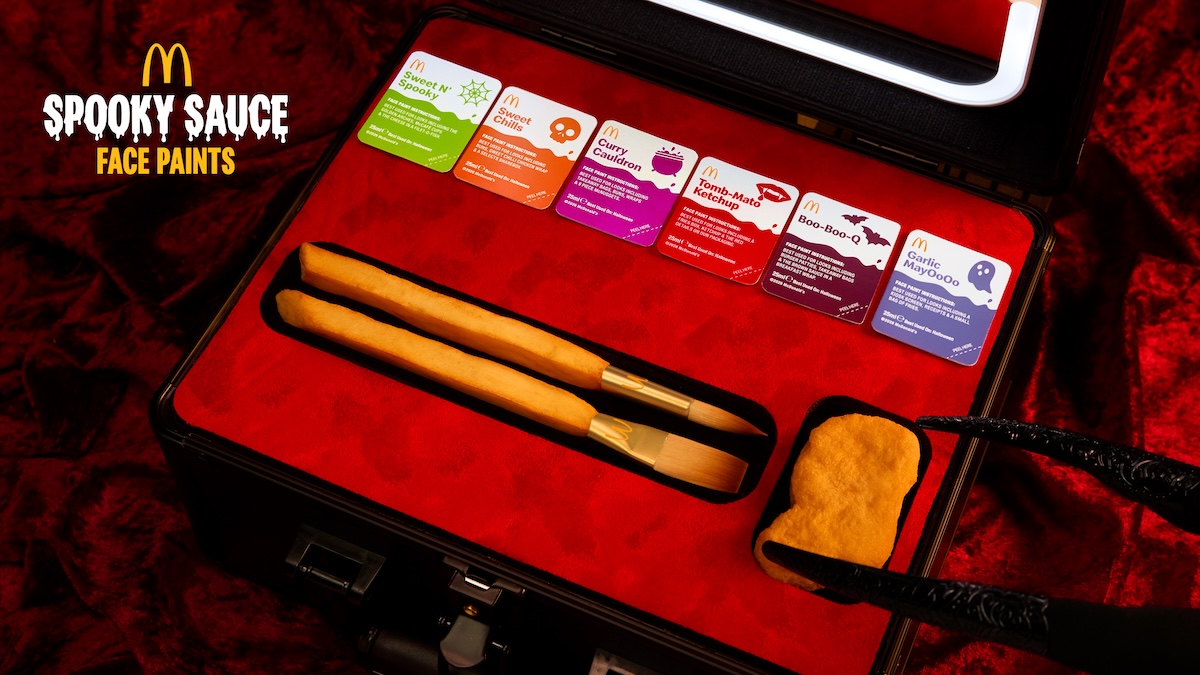
McDonald’s UK turned its own dipping sauces into a Halloween face paint range called Spooky Sauces, with six colours named after existing menu items — think Tomb-Mato Ketchup, Curry Cauldron, Boo-Boo-Q and Garlic MayOoOo. Each kit shipped with fries-shaped brushes, a Chicken McNugget-inspired sponge and a mirror, so the joke was built into the product itself, not bolted on.
Leo UK made an ASMR-style film for TikTok and Instagram to show the kits in use, ran an Instagram giveaway for 100 sets, and let UK creators post their own tutorials through to Halloween.
Takeaway for marketers: You don’t always need new assets for a seasonal moment, just a different lens on the ones you’ve already got. McDonald’s didn’t invent anything here, it noticed its sauces already look like paint and built the smallest possible product around that.
Aldi – “Broomstick Parking Bay” (2026)
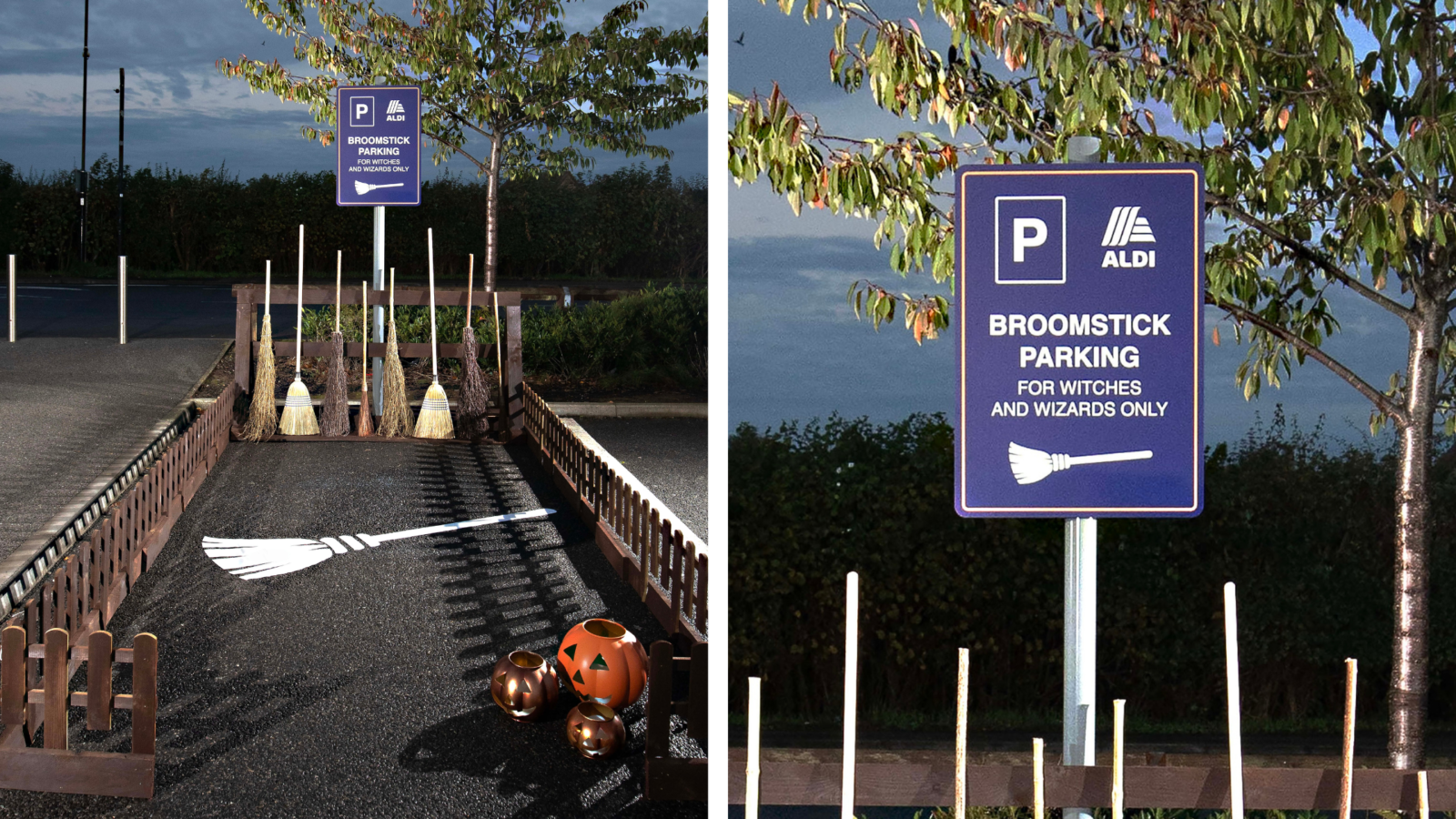
Aldi UK and agency Taylor Herring built a pop-up broomstick parking bay outside its Water Lane store in York, complete with a purpose-made rack, spooky signage and broomstick floor vinyl, running until 31 October.
The city wasn’t random: Aldi’s own survey of 2,000 Brits found 28% name York the most haunted place in Britain, which gave the stunt a built-in local hook and a reason for regional press to pick it up.
Takeaway for marketers: Pick one spot customers already walk through and give it a single, photographable seasonal twist tied to where you actually are. No new product or budget line required, just a sign, some floor vinyl and a good local reason.
Tesco – “Haunted Aisles” (2024)
In 2024, selected Tesco stores became immersive haunted houses, complete with roaming ghouls, creepy soundscapes, and trolleys that “moved” on their own. It turned a routine grocery trip into an event worth talking about. Families loved the novelty; social media loved the shareability.
Takeaway for marketers: Experiential doesn’t have to mean expensive. Transforming everyday spaces into mini stages can create the kind of buzz digital ads can’t buy.
Aldi – “Headless Hunt” (2024)
In 2024, Aldi introduced a headless bargain-hunter racing through eerie store aisles, hunting for Halloween deals.
It was pure Aldi: funny, a bit ridiculous, and unmistakably self-aware. By exaggerating its own value message through horror tropes, the brand made affordability entertaining rather than dull.
Takeaway for marketers: Stay true to your voice, even in seasonal campaigns. Aldi twisted its existing message (“great value”) into something visually unforgettable.
IKEA – “Fearniture Collection” (2020)
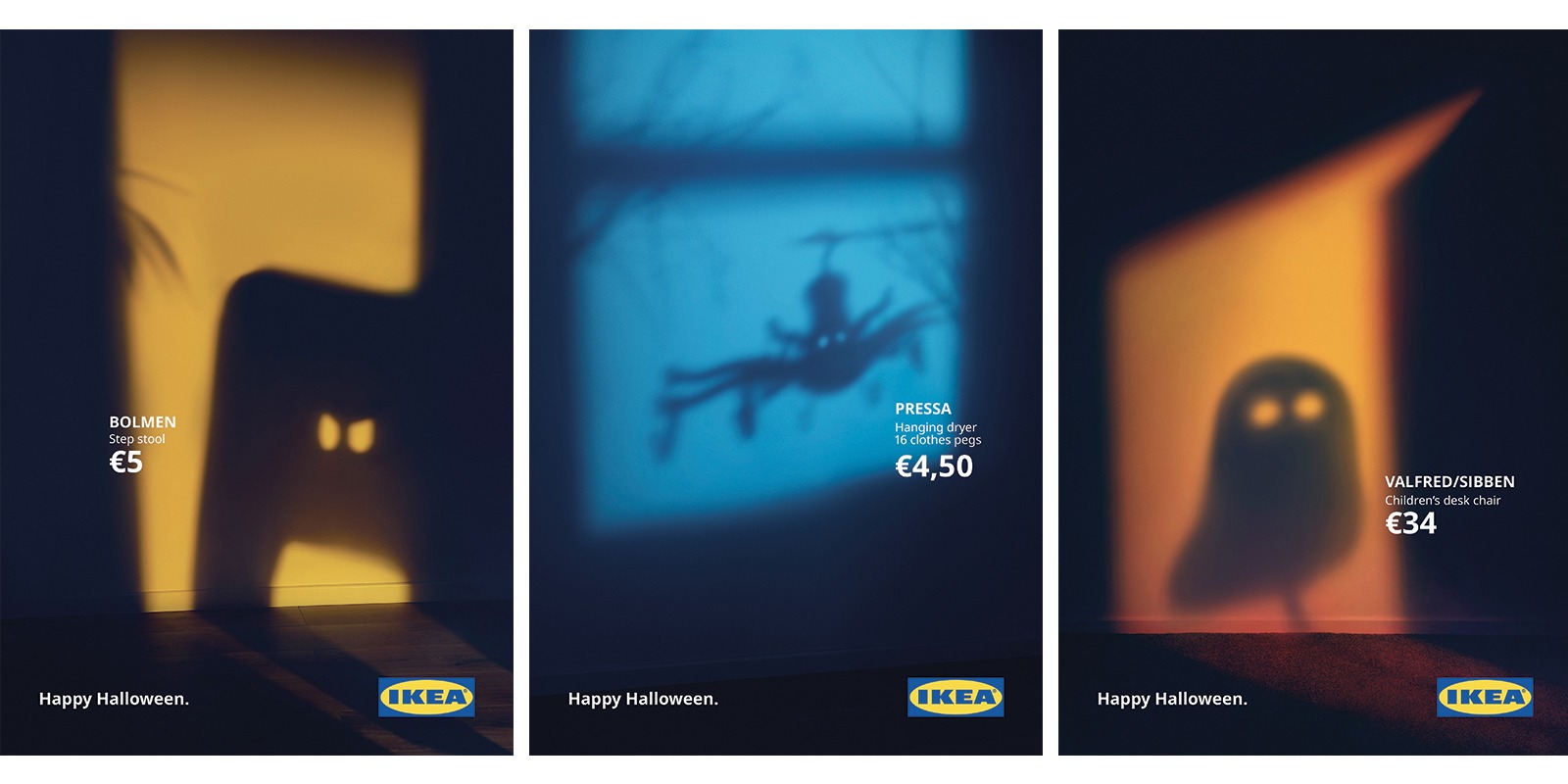
In 2020, IKEA didn’t launch new products, instead it reimagined what already existed. That twist on perception perfectly matched the brand’s creative DNA and made people look twice at their own homes.
IKEA used clever lighting to make everyday furniture (chairs, racks, and stools) cast shadows that looked like monsters, spiders, and ghosts.
Takeaway for marketers: Sometimes the smartest move is to reframe, not reinvent. Great creative often hides in plain sight, just waiting for the right light (literally).
Burger King – “The Call” (2023)
What they did: Burger King went full Hollywood, producing a mini-movie called “The Call.” Instead of a standard promo shot of the Ghost Pepper Whopper, the brand turned its spicy burger into the star of a 60-second cinematic thriller that played in cinemas.
Rather than selling a sandwich, Burger King sold a story and it positioned fast food as entertainment and tapped into horror tropes without feeling gimmicky.
Takeaway for marketers: Make your product the hero of the story. Like Burger King, turn features into plotlines and problems into villains your brand can defeat. Every offer can become its own mini-adventure: think countdowns, cryptic teasers, or a Halloween twist on your customer’s biggest challenge.
Heinz – “Tomato Blood” (2020)
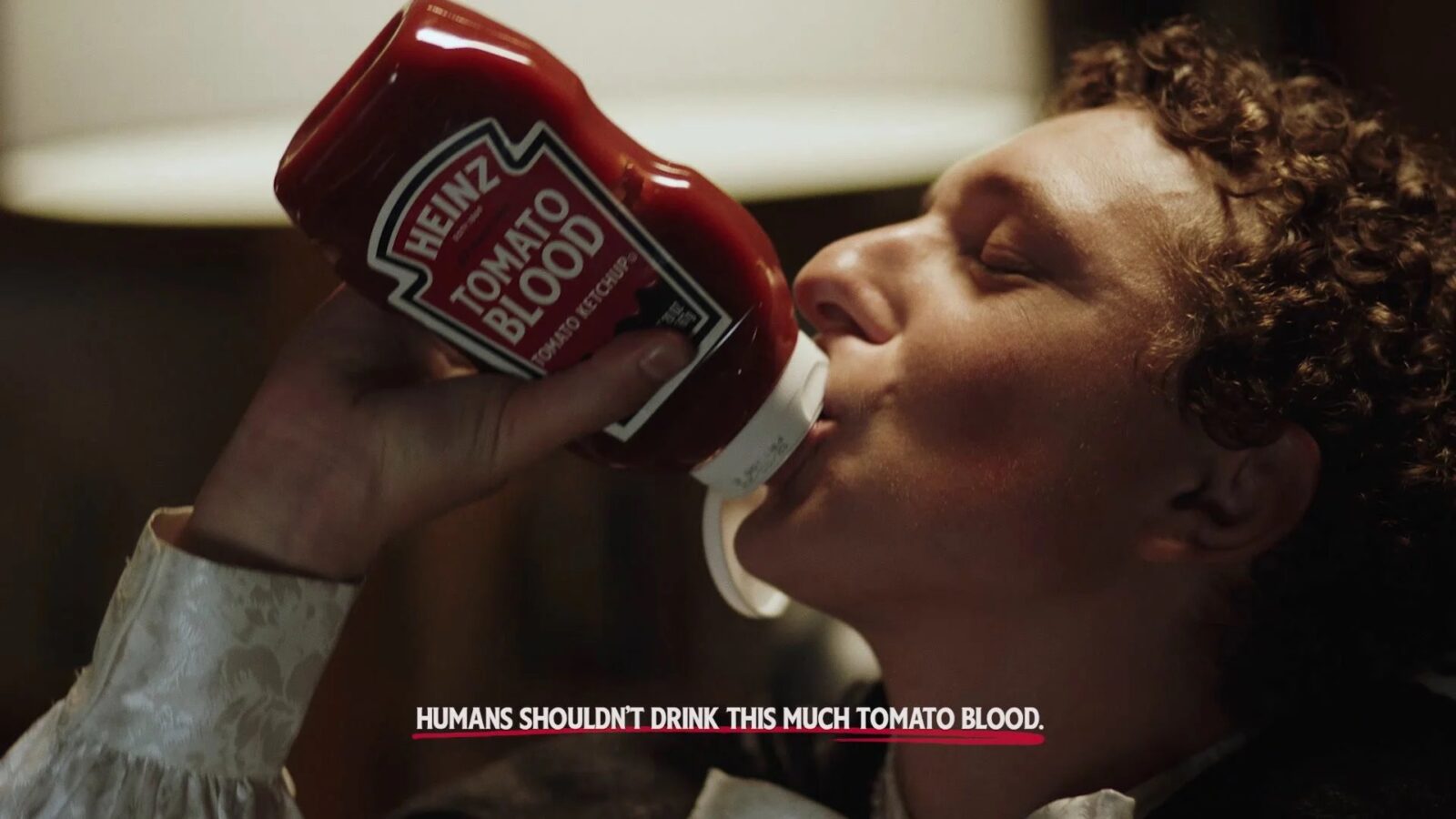
Heinz leaned all the way into its unofficial Halloween legacy: ketchup as fake blood. Starting in 2020, the brand released limited-edition Tomato Blood bottles, first as a 570-unit sweepstake, then as full Halloween drops complete with costume kits and even a vegetarian vampire influencer called Toby.
Each year’s edition built on the last, blending spooky humour with social participation. The campaign was pure self-awareness. Heinz celebrated what people already joked about.
Takeaway for marketers: Lean into your legacy. If audiences already associate your product with something seasonal or silly, don’t fight it but own it. Nostalgia met Gen Z meme culture, and by 2022 the campaign’s #HeinzHalloween tag had clocked over 5 billion TikTok views. It’s proof that embracing your brand’s quirks can turn clichés into community moments.
Snickers – “Zombie Twerk” (2024)
Snickers revived its classic “You’re not you when you’re hungry” campaign with a new Halloween twist: a mechanical zombie twerking wildly in someone’s front garden during yard setup.
Just like Heinz, Snickers extended a familiar idea into a seasonal, absurd scenario. The humour was meme-ready, and the simplicity made it perfect for social sharing.
Takeaway for marketers: When you’ve built a strong brand platform, stick with it. Seasonal storytelling that does not feel forced gets picked up by audiences faster.
Liquid Death – “Dismembered Moments” with Martha Stewart (2024)
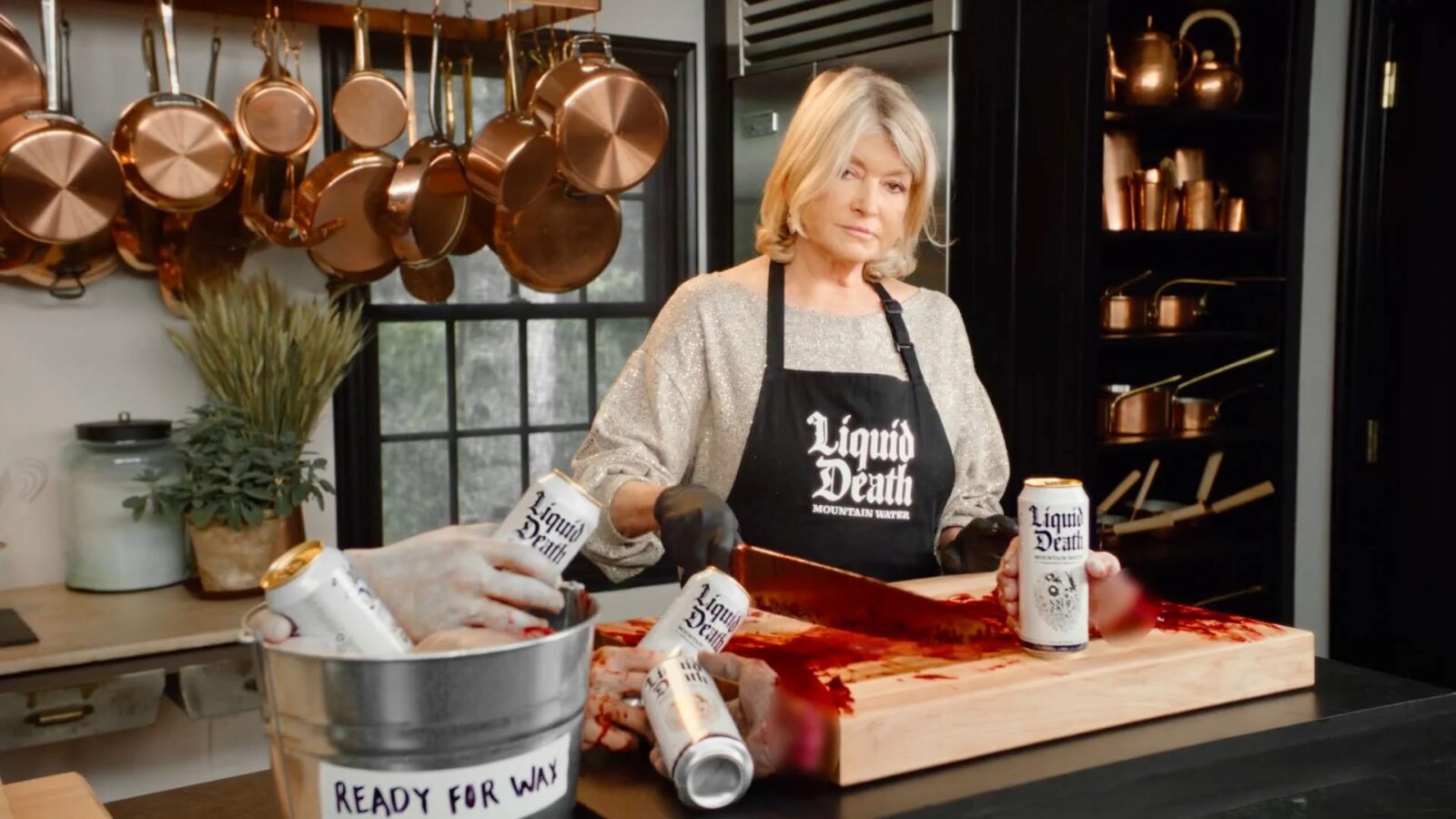
The canned-water brand teamed up with Martha Stewart to launch a luxury candle shaped like a severed hand clutching a Liquid Death can.
As always, Liquid Death went with a double-take idea: pairing Stewart’s polished domestic persona with Liquid Death’s dark, irreverent tone. The collaboration sparked shock, laughter, and plenty of shares, proving that leaning into absurdity can make a serious splash.
Takeaway for marketers: Unexpected partnerships get people talking. When your brand’s voice allows for mischief, surprise your audience and it’s often the quickest route to shareability.
York Ghost Merchants TikTok Sensation (2024)
This independent York shop releases handmade ceramic ghosts in limited batches. During Halloween, they leaned into scarcity, mystery, and community storytelling creating daily queues down the Shambles and viral TikTok content.
The formula was simple but powerful: product + UGC + scarcity + social. Each drop became an event, blending craftsmanship with fandom. What began as a niche craft turned into a tourism magnet and online obsession.
Takeaway for marketers: Whether it’s ten ghosts or ten thousand products, turning launches into shared experiences makes customers feel part of something special.
Tourism Ireland – “Samhain Story” (2024)
Tourism Ireland leaned into the nation’s folklore, reminding the world that Halloween actually began there.
The cinematic Samhain Story campaign celebrated the ancient Celtic festival with stunning visuals as it educated, inspired, and enchanted all at once. The campaign invited audiences to see travel as a cultural experience and gave Halloween historical context while still feeling fresh and cinematic, appealing to both heritage lovers and adventure seekers.
Takeaway for marketers: Root your brand stories in truth. When you blend authenticity with imagination, your marketing stops being noise and becomes narrative. Cultural storytelling is timeless and audiences can feel when it’s real.
Ring × M&M’s – “Halloween Mode” (2024)
What they did: Ring teamed up with M&M’s to activate a “Halloween Mode” feature on smart doorbells. Users could set pre-recorded Quick Replies from the brand’s mascots (like Red or Yellow), so when trick-or-treaters pressed the bell, they got a playful greeting instead of a standard ding-dong.
Once again, UGC at its finest. It turned everyday tech into participatory fun. By connecting product utility (a doorbell) with cultural play (Halloween greetings), Ring transformed functional tech into social entertainment and created an avalanche of user-generated content as families filmed and shared the reactions.
Takeaway for marketers: Marry usefulness with delight. If your product has a digital interface, find ways to make it playful during cultural moments. UGC is the new word-of-mouth, and Ring nailed the formula: feature + fun + filmability = viral loop.
Lucy & Yak – “Yak Halloween by YOU” (2024)
Ethical fashion brand Lucy & Yak handed the creative reins to their fans, asking them to upcycle old pieces into Halloween costumes. The best community creations were then featured across the brand’s channels.
Instead of pushing new products, Lucy & Yak invited their audience to show off their creativity mixing sustainability, self-expression, and community pride.
Takeaway for marketers: Empower your audience to co-create. Campaigns that invite participation feel more personal, more ethical, and far more memorable.
Lessons for Your Next Fright Fest
So, what should marketers carry into 2025 (besides a bucket of fun-sized chocolates)?
- Interactivity beats interruption. From Ring’s doorbell tricks to Blinkit’s festival mash-up, engagement comes from inviting audiences in, not shouting at them.
- Remix, don’t replicate. Whether it’s IKEA’s lighting illusions or Burger King’s mini-horror film, the magic is in reimagining what you already have.
- Scarcity creates story. York Ghost Merchants proved that a limited drop can turn a local product into a cultural phenomenon.
- Culture is currency. Tourism Ireland and Blinkit both showed how weaving heritage and humour keeps campaigns authentic and relevant.
- Community drives creativity. Lucy & Yak’s Halloween by YOU wasn’t just a campaign—it was a collaboration, turning fans into the best kind of storytellers.
Want more? Here's your invitation from the school ⤵️
We don’t teach you how to do more. We teach you how to do it better.
You don’t need more hacks. You need smarter foundations, better systems, and clarity that cuts through the noise.You got into this to make a difference. Let’s help you do that, with strategy and a whole lotta heart.
➡️ Find out how we can help via our all-access pass.