
Email is the channel nobody gets to skip, and SMS is quickly becoming the one right behind it. Doesn’t matter if you’re a solo marketer running a Substack on the side, an in-house team trying to keep 40,000 subscribers from unsubscribing, or a Shopify brand living and dying by the abandoned-cart text: at some point you’re picking the tools that actually reach people’s inboxes and phones, and the picking is the worst part.
Every platform’s homepage says the same thing. “Powerful.” “Easy to use.” “Built for growth.” Cool, but which one is actually right for you, right now, with the budget and team you actually have (not the one you’ll have in three years)?
We went back through our own list of tools we rate, the ones marketers in the AMS community actually use and vouch for (plus two we use and recommend ourselves), and ranked twelve: tools that each do one job properly instead of everything averagely.
Quick housekeeping note before we get into it: we check this list every couple of months, so if a tool’s gone quiet, changed hands, or disappeared entirely, we’ll have swapped it out before you go find out the hard way. Every tool below was live, active, and doing its job at time of writing.
Some of these tools were or are AMS partners and affiliates (marked with a *). Please note that we only partner and recommend tools we love and have tried for ourselves.
ESPs to Send Your Newsletters
EmailOctopus: Best for Getting Started Without a Card on File
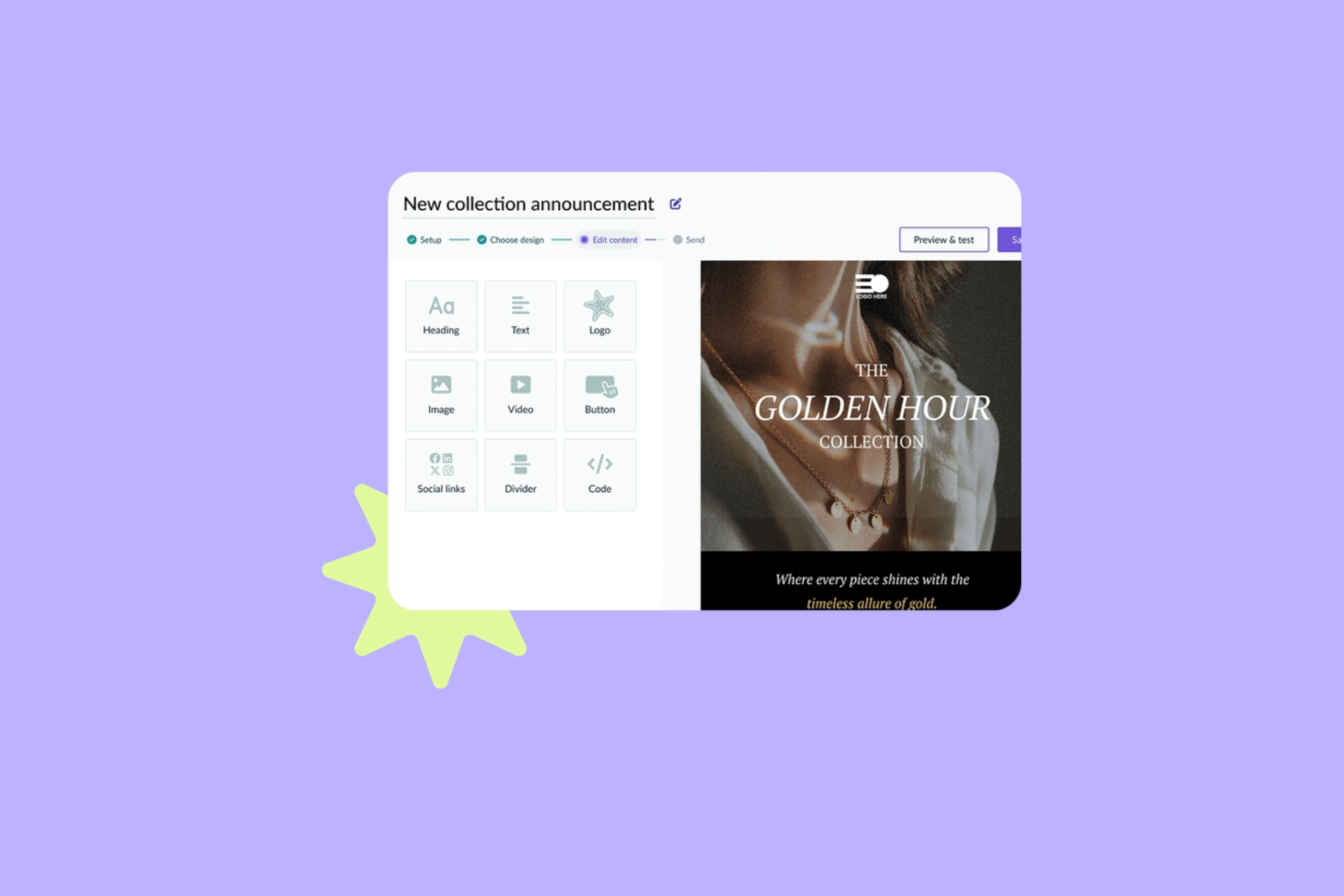
If you’re early, solo, or just tired of software that costs more than your actual marketing budget, EmailOctopus is the one to start with. It’s built by a small team (co-founder Jonathan Bull still runs point on it) who clearly decided email marketing didn’t need fifteen features you’ll never touch. Drag-and-drop editor, clean templates, automation that runs your welcome sequence while you sleep, and a genuinely generous free tier.
It won’t do everything. It’s not trying to. It’s trying to get your first 500, 5,000, or 50,000 subscribers a good email without you needing a manual.
- Best for: getting your first real automations running without paying for features you won’t touch for a year.
- Watch out for: you’ll hit a wall on segmentation fast, there’s no real behavioural targeting once you outgrow “they opened an email.”
- How to make the most of it: set up your welcome sequence and one abandoned-signup nudge on day one, that’s most of the value before you ever touch anything more complex.
Beehiiv: Best for Personal Brands Who Want Their Newsletter to Double as a Blog *
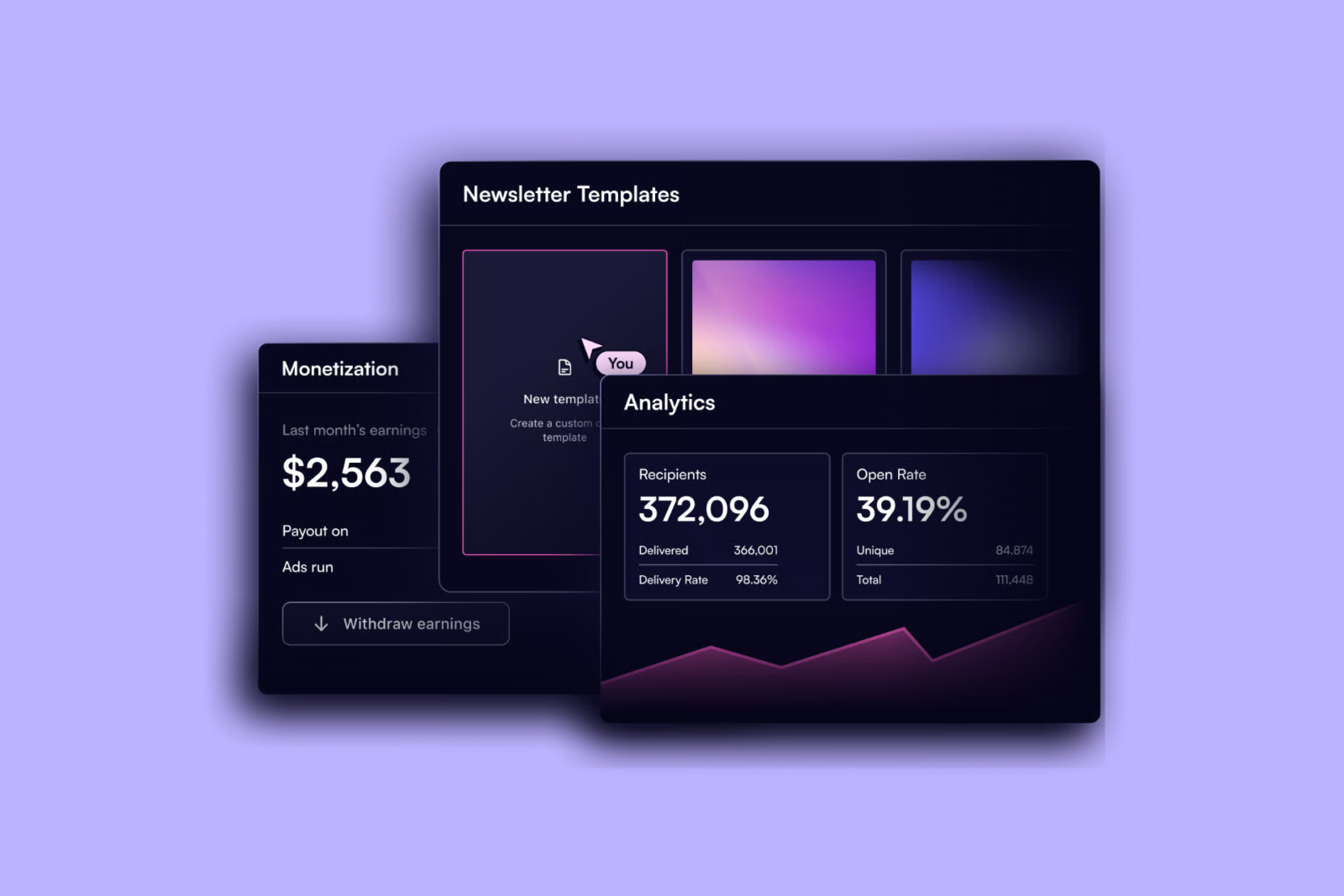
Beehiiv is the one we point consultants and personal brands to, specifically because every issue lives on a real website too, not just in an inbox. That means the same piece of writing works as an email and a blog post: searchable, shareable, and building your site’s SEO instead of disappearing into an archive nobody revisits. We use it for our own newsletter, so this is a genuine “we use it” recommendation.
- Best for: personal brands and consultants who want their newsletter content to actually live somewhere and earn its keep as a blog post too.
- Watch out for: the website/blog side is the whole point, so if you just want a plain email tool with none of the publishing extras, it’s more platform than you need.
- How to make the most of it: treat your beehiiv site as your blog, not just a newsletter archive, link back to old issues in new ones and let them earn search traffic long after you hit send.
Flodesk: Best for Newsletters That Actually Look Stunning *
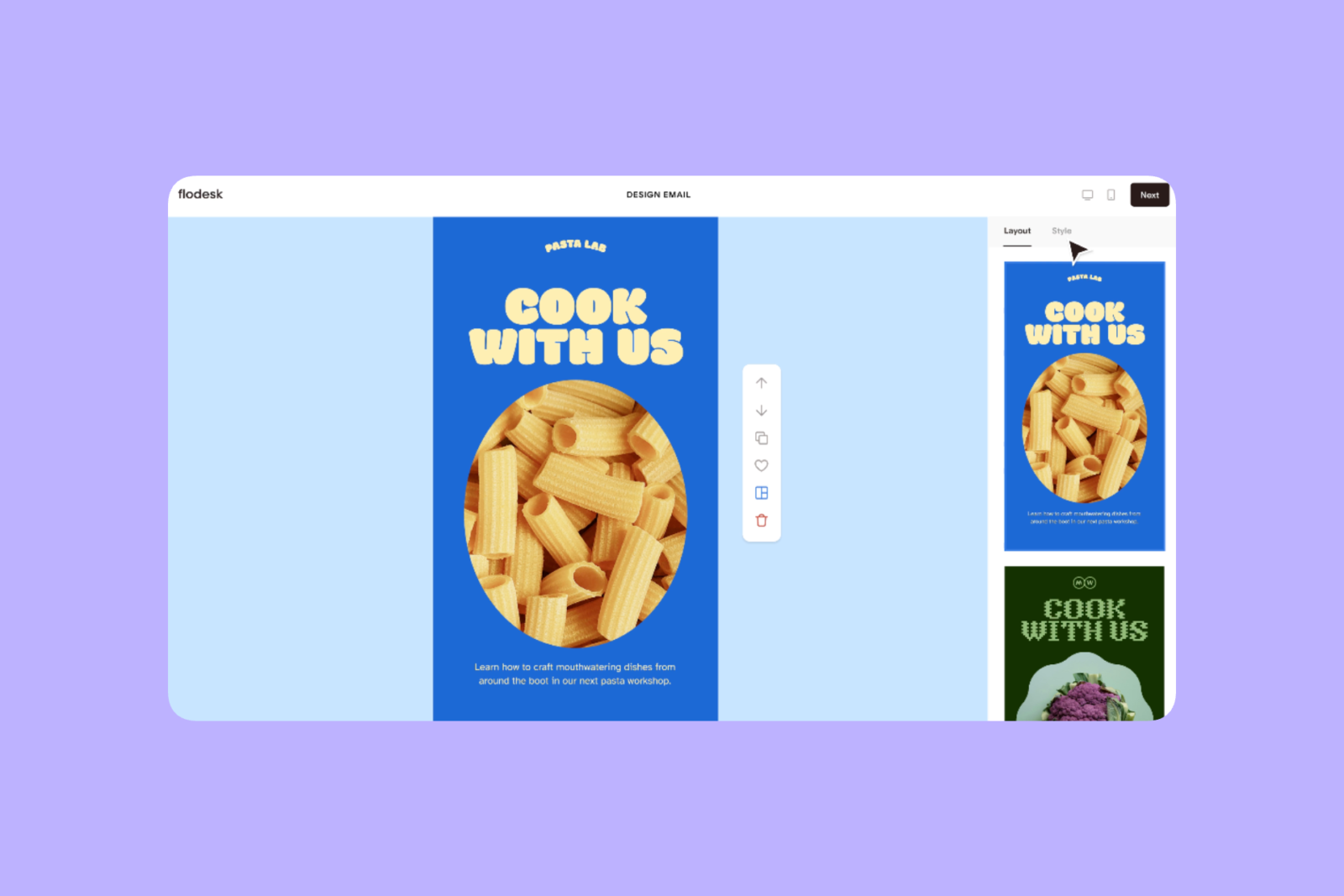
Flodesk is our current go-to recommendation for anyone who wants their newsletter to look like they hired a designer, without needing one. Templates are genuinely beautiful out of the box, the editor is properly drag-and-drop, and pricing stays flat no matter how big your list gets, so growing your audience never means a scarier bill. We’re an AMS partner with Flodesk, and readers get 50% off their first year through our link.
- Best for: anyone who wants a newsletter that looks designed, not defaulted, without a design background.
- Watch out for: the automation and segmentation depth is lighter than some of the more behaviour-driven tools on this list, it’s built for beautiful sends, not complex triggers.
- How to make the most of it: start from one of their pre-built templates and just swap in your brand colours and fonts, that’s most of the “wow, this looks professional” effect for about ten minutes of work.
Constant Contact: Best When Managed by Small Business Owners
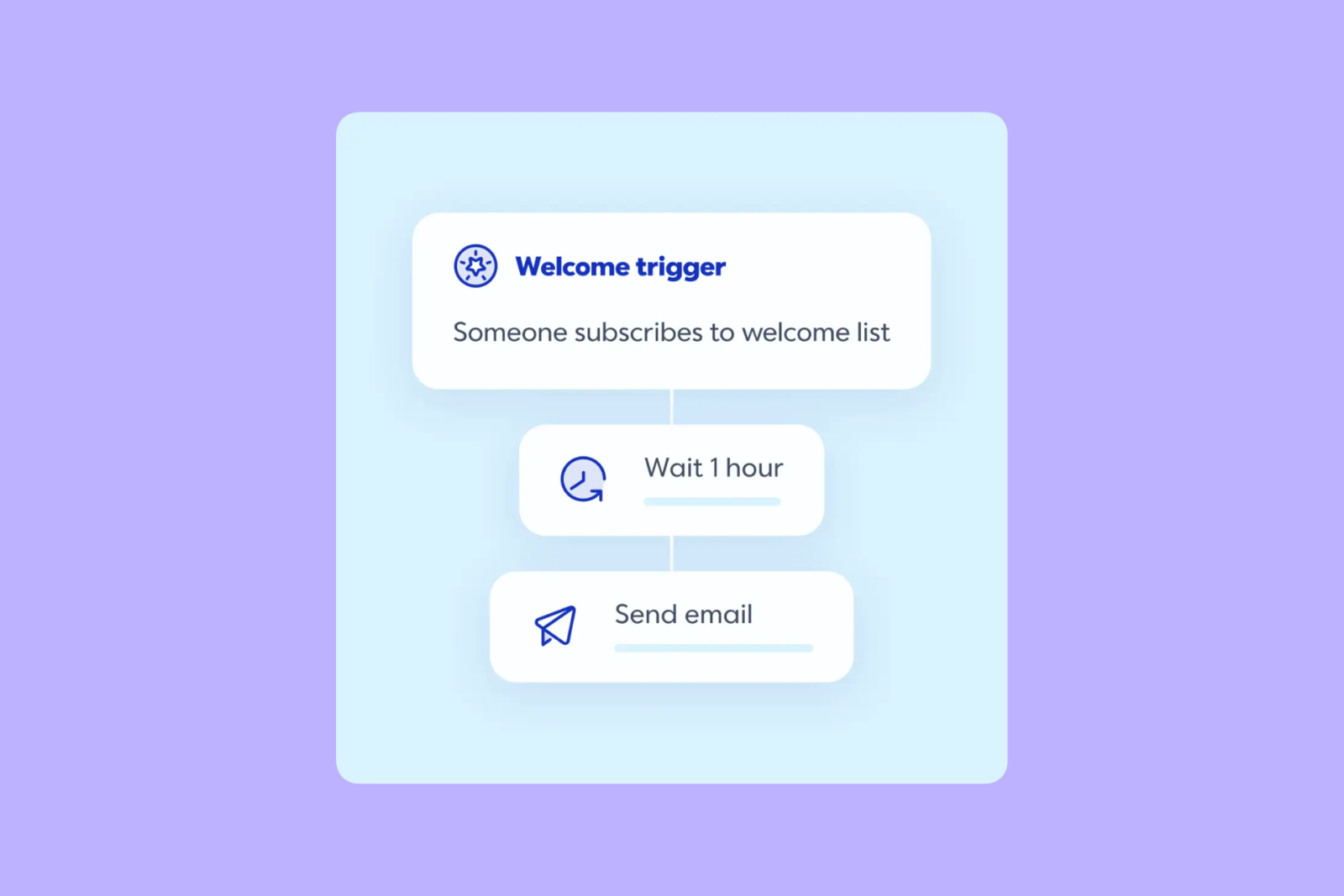
Constant Contact is the steady, no-drama choice for small businesses who want email, event management, and basic automation without a steep learning curve. It won’t wow you with advanced behavioural triggers, but it also won’t make you sit through a two-week onboarding just to send a newsletter.
- Best for: small businesses who want email, events, and basic automation in one place without a learning curve.
- Watch out for: the automation depth is genuinely basic, if you outgrow “welcome email plus a monthly newsletter” you’ll be shopping again soon.
- How to make the most of it: use the events feature alongside email if you run anything in-person or virtual, it’s one of the few tools here that does both without a second subscription.
E-Commerce Email Providers
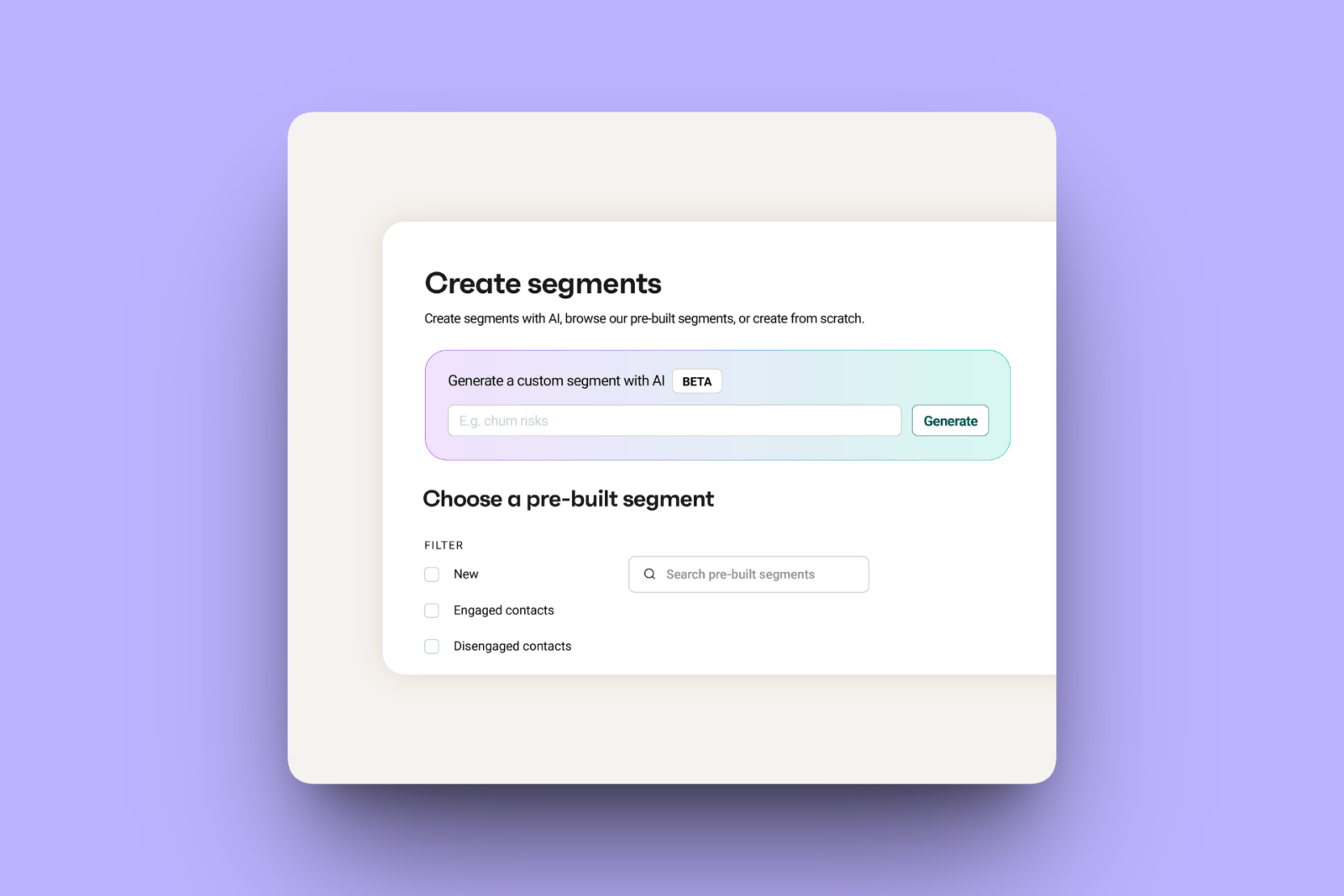
Omnisend: Best for Ecommerce That Wants One Tool, Not Four
If you’re running a Shopify or WooCommerce store, Omnisend is the one built specifically for your problems: abandoned cart, welcome series, post-purchase, win-back, all with pre-built automations so you’re not starting from a blank page. Email and SMS live in the same platform, which means you’re not stitching two tools together and praying the data matches up.
The AI copy assistant for subject lines is a genuine time-saver on a Monday when you’ve got four campaigns to get out and zero clever ideas.
- Best for: ecommerce brands who want email and SMS under one roof instead of stitched together.
- Watch out for: the pre-built automations assume you’ve got a proper product catalogue behind you, it’s a weaker fit for service businesses.
- How to make the most of it: turn on the pre-built abandoned cart and win-back flows first, they’re the fastest route to revenue before you build anything custom.
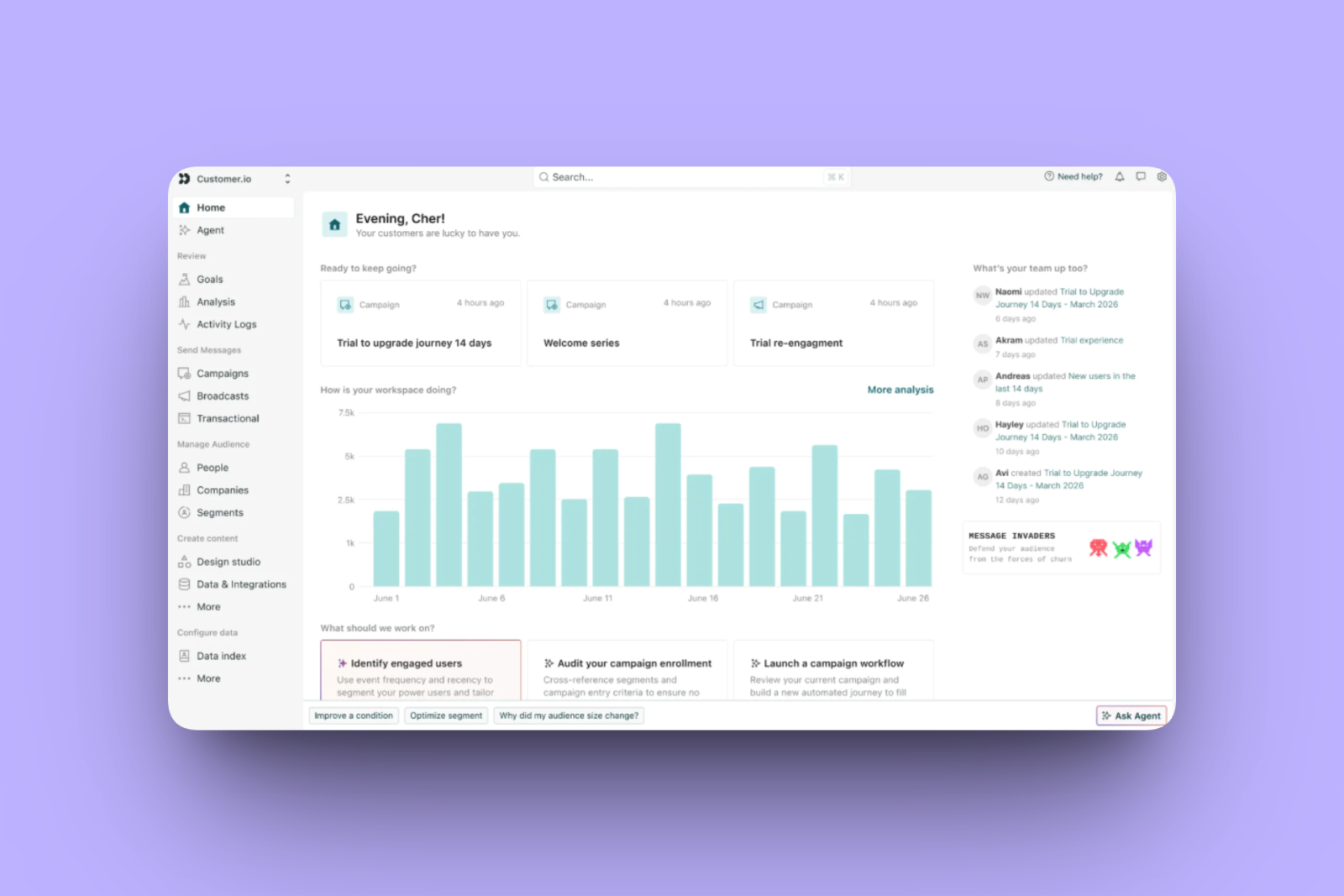
Customer.io: Best for Actually Using Your Customer Data
Most email tools let you segment by “opened an email in the last 30 days.” Customer.io lets you build campaigns off what people actually do: viewed a product three times, abandoned a signup halfway, went quiet for two weeks. It works across email, SMS, push, and in-app, which matters if your marketing lives in more than one inbox.
This one’s for teams past the “just send the newsletter” stage who want messages that respond to real behaviour instead of a calendar. It’s more setup than EmailOctopus. It’s worth it once you’ve outgrown “blast and hope.”
- Best for: teams ready to trigger campaigns off real behaviour, not just opens and clicks.
- Watch out for: the setup is genuinely heavier, budget a proper onboarding sprint rather than expecting to be live by Friday.
- How to make the most of it: start with two or three trigger events (cart abandonment, trial expiry) instead of trying to map your entire customer journey on day one.
SMS & Full Stack Email Marketing
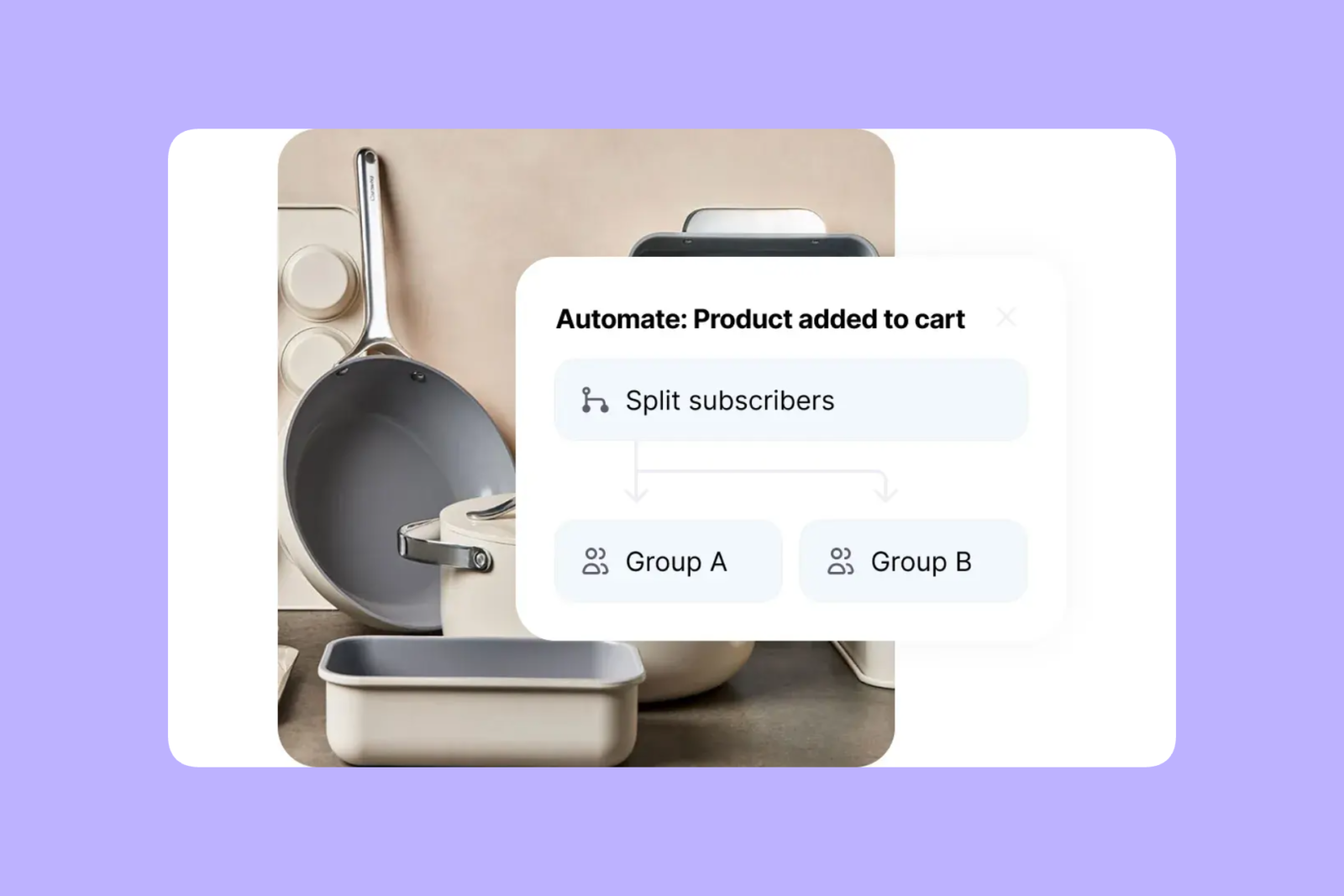
Postscript: Best for SMS-First Brands
Attentive and Postscript both do SMS marketing for ecommerce well, and if you’re choosing between them, it mostly comes down to fit and support, not features, so it’s worth a demo of both. We’re spotlighting Postscript here because it’s built specifically around Shopify brands wanting text that reads like a person, not a broadcast: segmented, timed, integrated with the rest of your stack.
If a customer gets a text from your brand, it should feel like the one good thing in their inbox that day, not the fifth ad in a row. That’s the bar Postscript is aiming for.
- Best for: Shopify brands wanting SMS that reads like a person, not a broadcast blast.
- Watch out for: it’s SMS-first, so if email is still carrying most of your customer relationship, you’ll need to pair it with a proper email platform too.
- How to make the most of it: segment your list before your first send, a generic blast is exactly what this tool is built to help you avoid.
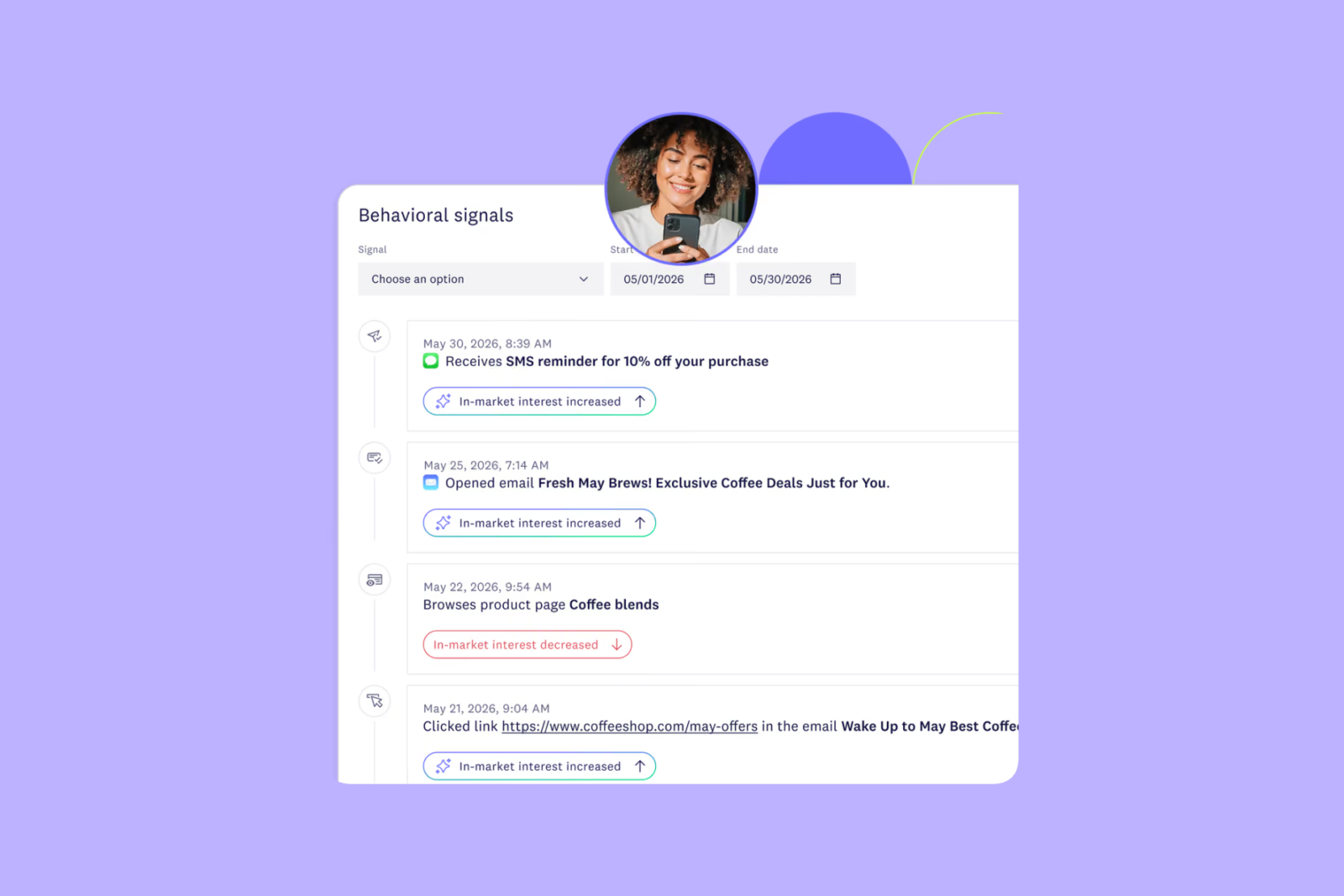
Acoustic: Best for a Full Stack Marketing Team
Acoustic is the one for bigger, more established marketing teams: think enterprise-grade campaign building, drag-and-drop email composer, and the kind of segmentation and automation that a larger team with more moving parts actually needs. It’s less “get started this afternoon” and more “this is the backbone of how we run lifecycle marketing,” which is exactly the point if that’s where you are.
- Best for: bigger teams juggling enough moving parts that they need real segmentation and automation depth.
- Watch out for: it’s priced and built for that scale, so it’s overkill, and over-budget, if you’re not there yet.
- How to make the most of it: lean on the segmentation tools early, that’s where the platform earns its keep over the simpler tools on this list.
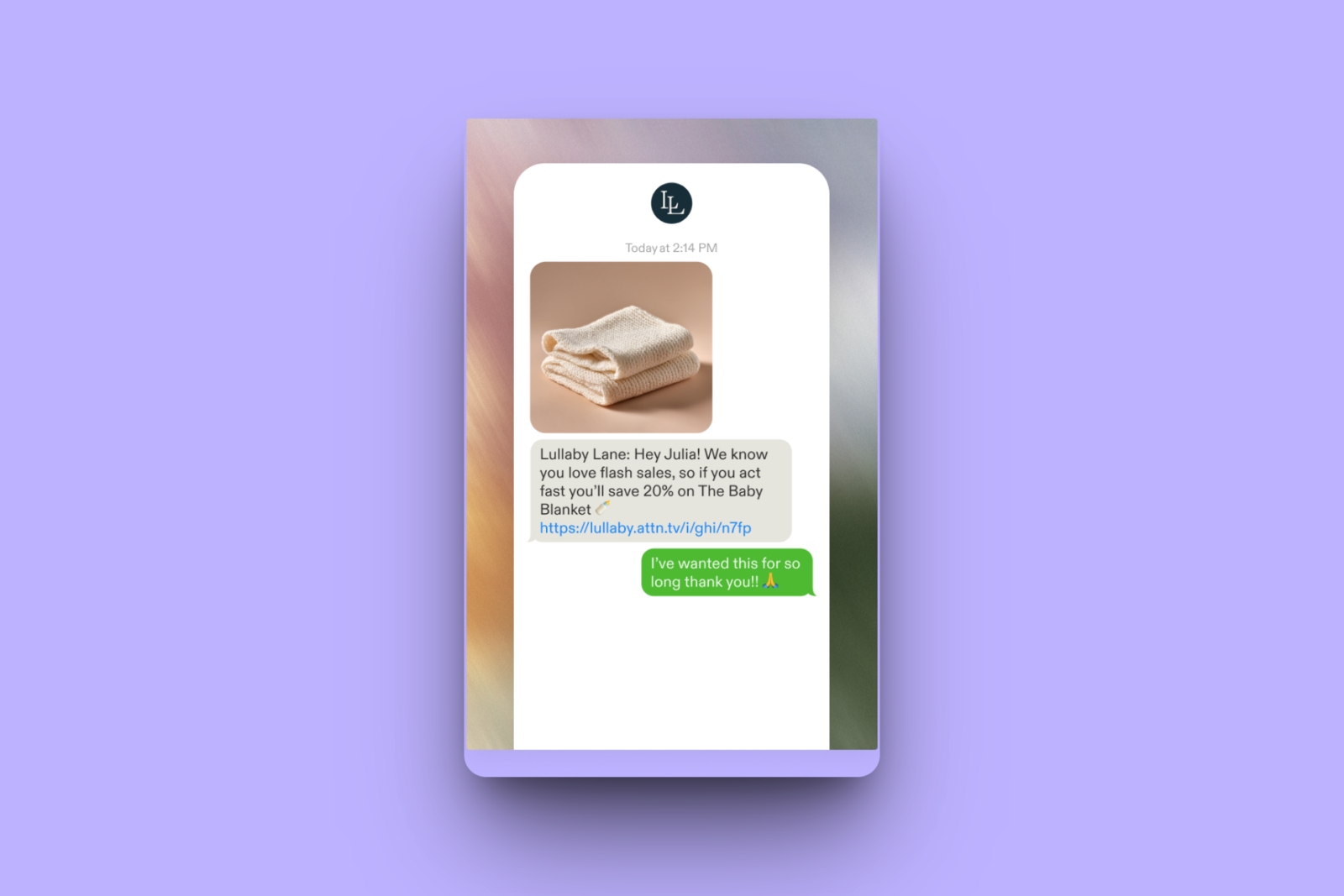
Attentive: Best for Larger Brands Wanting Deeper SMS Targeting
Attentive is Postscript’s closest rival in SMS marketing, and worth a look if your brand skews larger. Also, you may want deeper behavioural triggers than a smaller SMS platform can offer. Where Postscript leans into feeling personal, Attentive leans into scale and enterprise-grade targeting.
- Best for: larger brands who want SMS with deeper behavioural triggers than a smaller platform offers.
- Watch out for: the enterprise positioning comes with enterprise pricing and onboarding, it’s a heavier lift than Postscript if you’re not yet at that scale.
- How to make the most of it: build one high-intent flow first (cart or browse abandonment) rather than trying to replicate your entire lifecycle on day one.
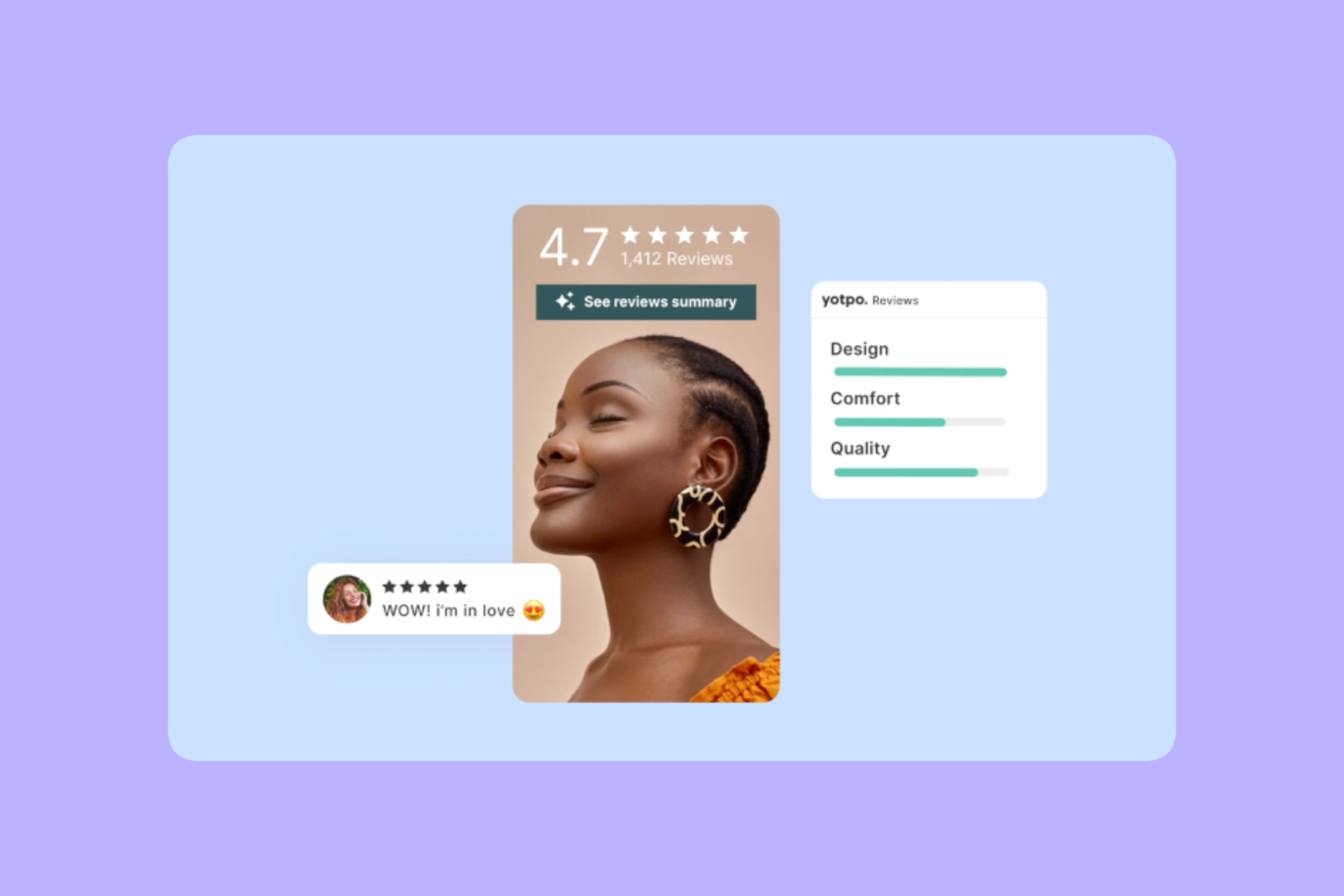
Yotpo: Best for Pairing Reviews and Loyalty With Your Email Data
Yotpo isn’t strictly an email tool, but if reviews, loyalty, and UGC are part of your retention stack, it plugs directly into the same customer data story as everything else on this list. It’s the one worth knowing about once “get the email right” isn’t your only retention lever.
- Best for: brands who want reviews, loyalty, and UGC feeding into the same customer data as their email marketing.
- Watch out for: it’s not a replacement for a dedicated email platform, you’ll run it alongside one of the tools above, not instead of it.
- How to make the most of it: sync your loyalty and review data into your email segments early, that combination is where Yotpo earns its keep.
Email Marketing Hygiene
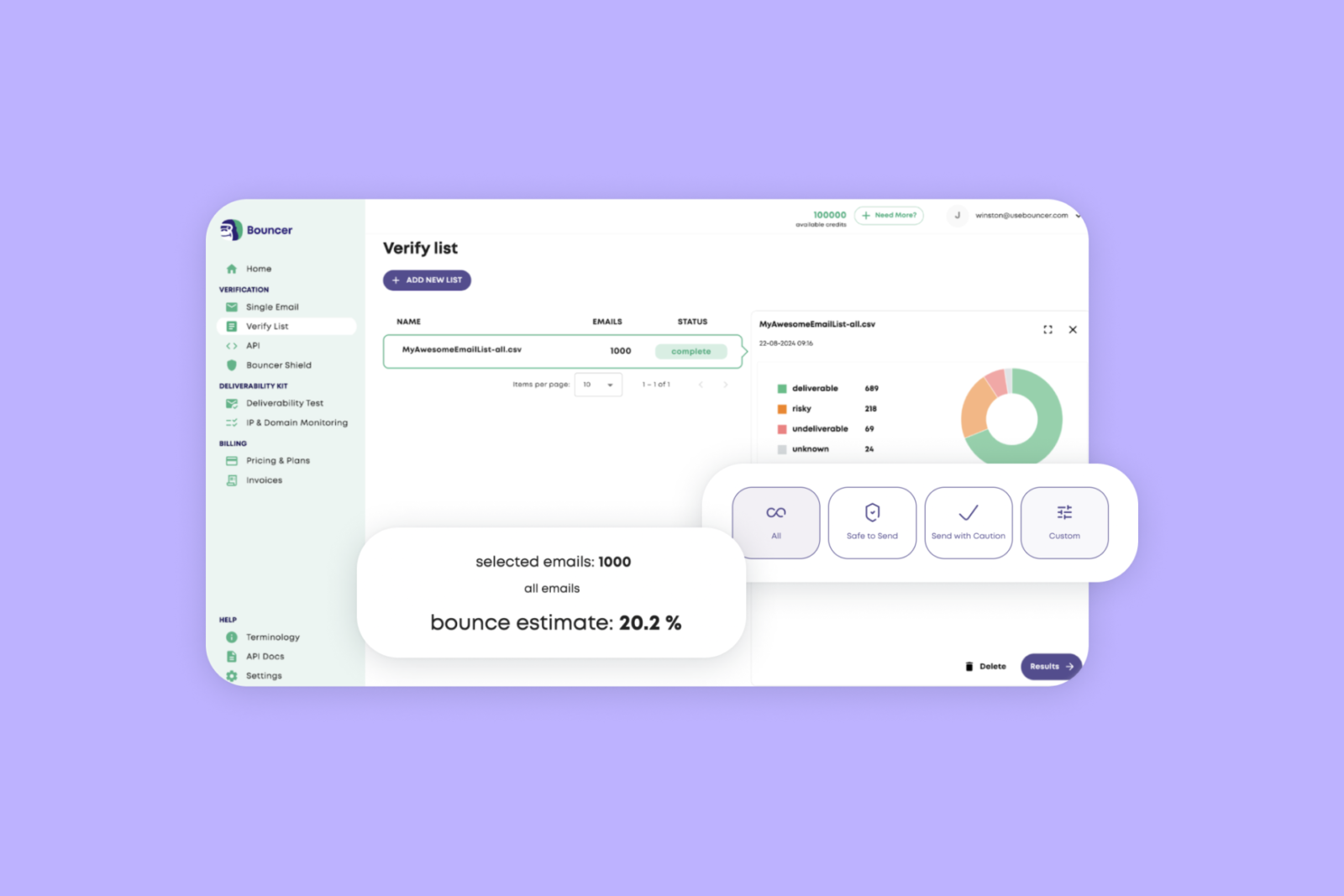
Bouncer: Best for Cleaning Your List Before You Send
Bouncer is the unglamorous, essential layer underneath your email platform: list verification that catches the dead, fake, and risky addresses before you send to them. Your best campaign is worthless if it lands in spam because your list was never cleaned.
- Best for: verifying your list before a big send, especially if you’ve been collecting subscribers for a while without a clean-up.
- Watch out for: it’s a one-job tool, don’t expect any campaign-building features here, it exists purely to protect your sender reputation.
- How to make the most of it: run a full list check before any major campaign or list import, not just once a year, a stale list degrades faster than people expect.
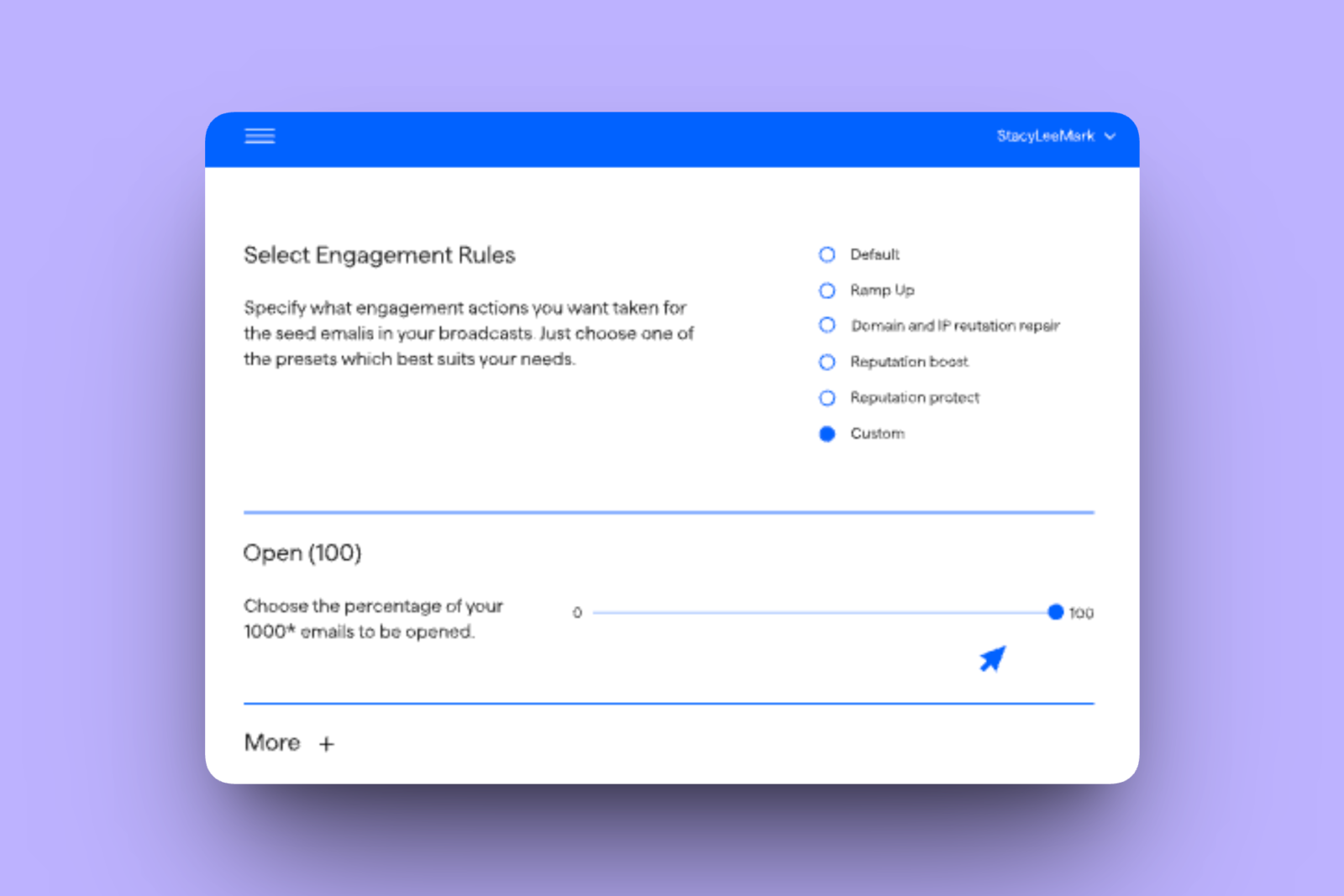
InboxAlly: Best for Warming Up Your Deliverability
InboxAlly handles the other half of deliverability. In fact, warming up your sending reputation so inbox providers actually trust your campaigns to land in the primary inbox, not promotions or spam. It’s the quiet infrastructure work that makes every other tool on this list perform better.
- Best for: warming up deliverability before a big list migration, sending domain change, or a jump in send volume.
- Watch out for: it’s a slow-burn tool, results build over weeks, not overnight, so it’s not the fix for a deliverability problem you need solved today.
- How to make the most of it: pair it with Bouncer, a clean list plus a warmed-up sending reputation solves deliverability from both ends at once.
Which One Should You Actually Pick?
Before you sign up for anything, ask yourself three questions.
1. Are you just starting out, or running a full marketing team already?
If you’re early and don’t want to pay for features you won’t touch yet, start with EmailOctopus. However, if your newsletter needs to double as blog content for your personal brand, that’s Beehiiv (we use it ourselves). If you want it to look like you hired a designer without needing one, go with Flodesk (readers get 50% off their first year through our link). As a bigger team with serious segmentation needs, Acoustic is built for that scale. If you just want reliable basics without a learning curve, Constant Contact is the calm option.
2. Do your campaigns run on real behaviour, or just a calendar and a hope?
If you want campaigns triggered by what people actually do, not just opens, go with Customer.io. Let’s say you’re running an online store and want email and SMS under one roof, Omnisend is built for that. If SMS is (or is about to be) your main channel, go with Postscript, or Attentive if you’re bigger and want deeper targeting.
3. Is the problem what you’re sending, or whether it’s actually landing?
If reviews and loyalty already matter to your retention story, layer in Yotpo. If your list needs a clean-up or a deliverability boost before you scale sending, start with Bouncer and InboxAlly together.
Got a tool that deserves a spot in the next Tools of the Week roundup? We’re doing this one category at a time, so let us know what you’re using, your favourite might be next.
Want more? Here's your invitation from the school ⤵️
We don’t teach you how to do more. We teach you how to do it better.
You don’t need more hacks. You need smarter foundations, better systems, and clarity that cuts through the noise.You got into this to make a difference. Let’s help you do that, with strategy and a whole lotta heart.
➡️ Find out how we can help via our all-access pass.